

GREY · TREATMENT GUIDE
LED Phototherapy
Red or blue LED protocols may be used as supportive care for selected inflammation, recovery or acne plans.
What it is
LEDs deliver specific light wavelengths without ablating skin. Wavelength, dose and session frequency vary by device and goal.
Who it may suit
People seeking lower-downtime cleansing, hydration, exfoliation or clinician-directed recovery support.
Active dermatitis, infection, open wounds, recent strong procedures or known product sensitivities may require postponement or modification.
Planning and results
Face or body depending on device
Can be booked as one supportive visit or a series based on the skin concern and products used.
Skin may feel cleaner or more hydrated soon after treatment; benefits are usually supportive and temporary.
No intentional skin injury; eye protection and photosensitivity screening still matter.
Potential advantages
Non-invasive and generally comfortable
No peeling or needles
Can be used as an adjunct in selected plans
Limitations & risks
Usually an adjunct rather than a complete treatment
Results depend on device dose and diagnosis
Photosensitizing medicines or conditions require review
Before your visit
Share recent procedures, prescription skin medicines, allergies and active irritation before products or suction are used.
Use gentle care and sun protection, and pause irritating actives for the period recommended by the clinic.
Questions to ask
Which wavelength and dose?
What is the specific treatment goal?
Do my medicines or eye condition affect suitability?
Related treatments
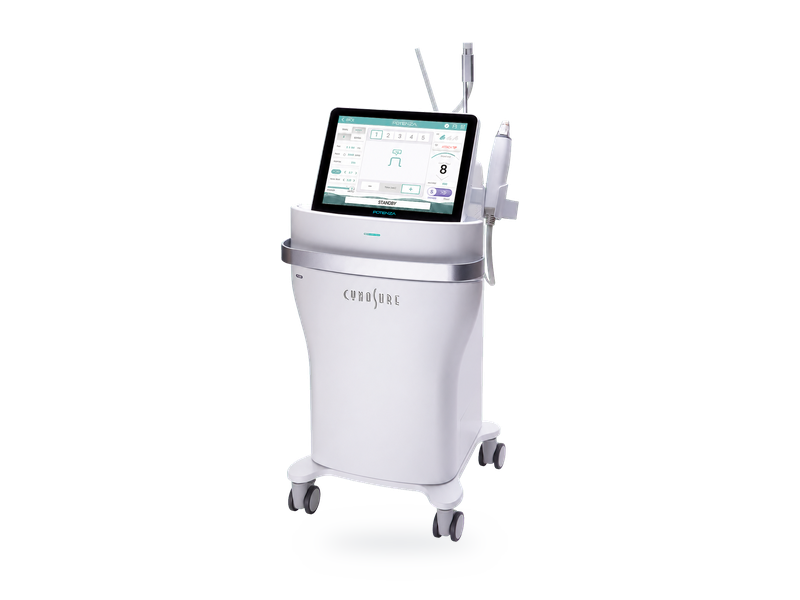
Potenza RF Microneedling
LED Phototherapy and Potenza RF Microneedling address different concerns; the doctor decides whether combining them and the treatment order are appropriate.
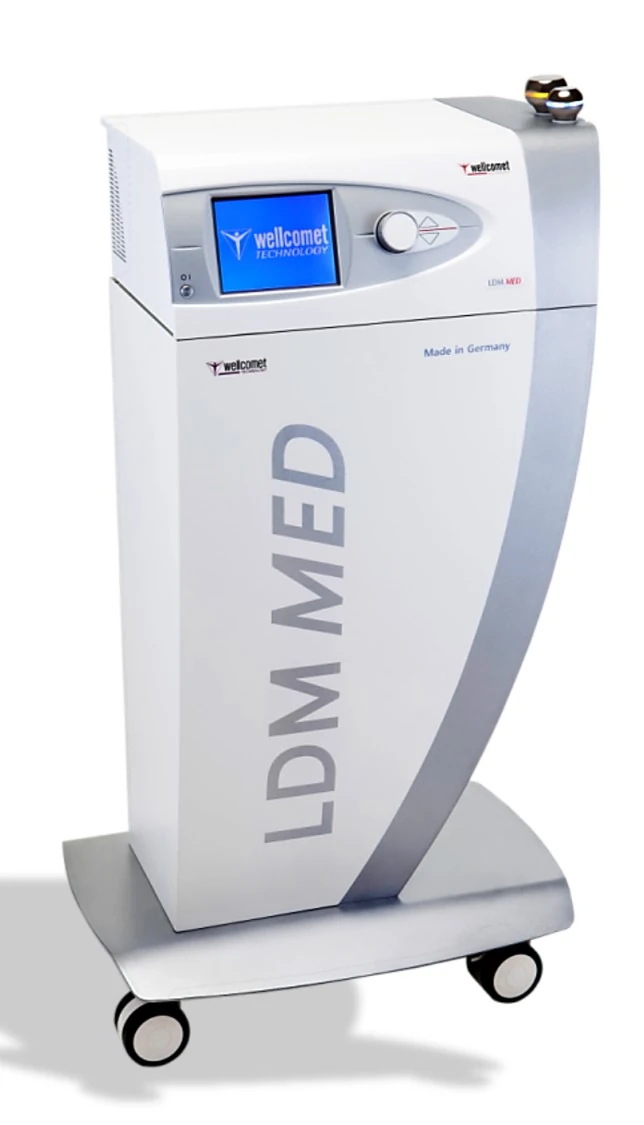
LDM Ultrasound Care
Low-intensity ultrasound skin care. Compare its mechanism, recovery and treatment goal with LED Phototherapy.
Questions about this treatment
How long does LED Phototherapy usually take?
Usually 30–60 minutes, depending on the cleansing, exfoliation and calming steps included.
How many LED Phototherapy sessions might I need?
Can be booked as one supportive visit or a series based on the skin concern and products used.
When might I notice a change after LED Phototherapy?
Skin may feel cleaner or more hydrated soon after treatment; benefits are usually supportive and temporary.