

GREY · TREATMENT GUIDE
EMFACE
A non-invasive platform combining radiofrequency with high-intensity facial electrical stimulation for selected facial muscle and skin plans.
What it is
Adhesive applicators deliver synchronized RF heating and HIFES stimulation to selected facial tissues.
Who it may suit
Adults discussing mild-to-moderate laxity, facial contour or skin-firmness concerns without surgery.
People with an active skin infection, certain implants or devices, or goals that require surgery need an individual medical assessment.
Planning and results
Forehead, cheeks and other cleared applicator areas
Often planned as one treatment with a later review; maintenance timing varies by device, skin and goal.
Some people notice an earlier tightening effect, while collagen-related change develops gradually over several weeks to months.
Downtime varies with the treatment area and settings; temporary redness, swelling, tenderness or bruising may occur.
Potential advantages
Needle-free applicators
Addresses muscle stimulation and skin heating in one session
No intentional skin injury
Limitations & risks
Not suitable with certain implants or medical devices
Muscle soreness, redness or discomfort may occur
It does not replace surgical correction
Before your visit
Tell the doctor about medical implants, dental work, medication and recent filler, threads or energy treatments.
Follow the clinic's device-specific advice. Contact the clinic promptly for blistering, worsening pain, marked weakness or persistent altered sensation.
Questions to ask
Is EMFACE appropriate for my main concern?
Which device, product, tip and settings will be used?
What recovery and warning signs should I expect?
Related treatments
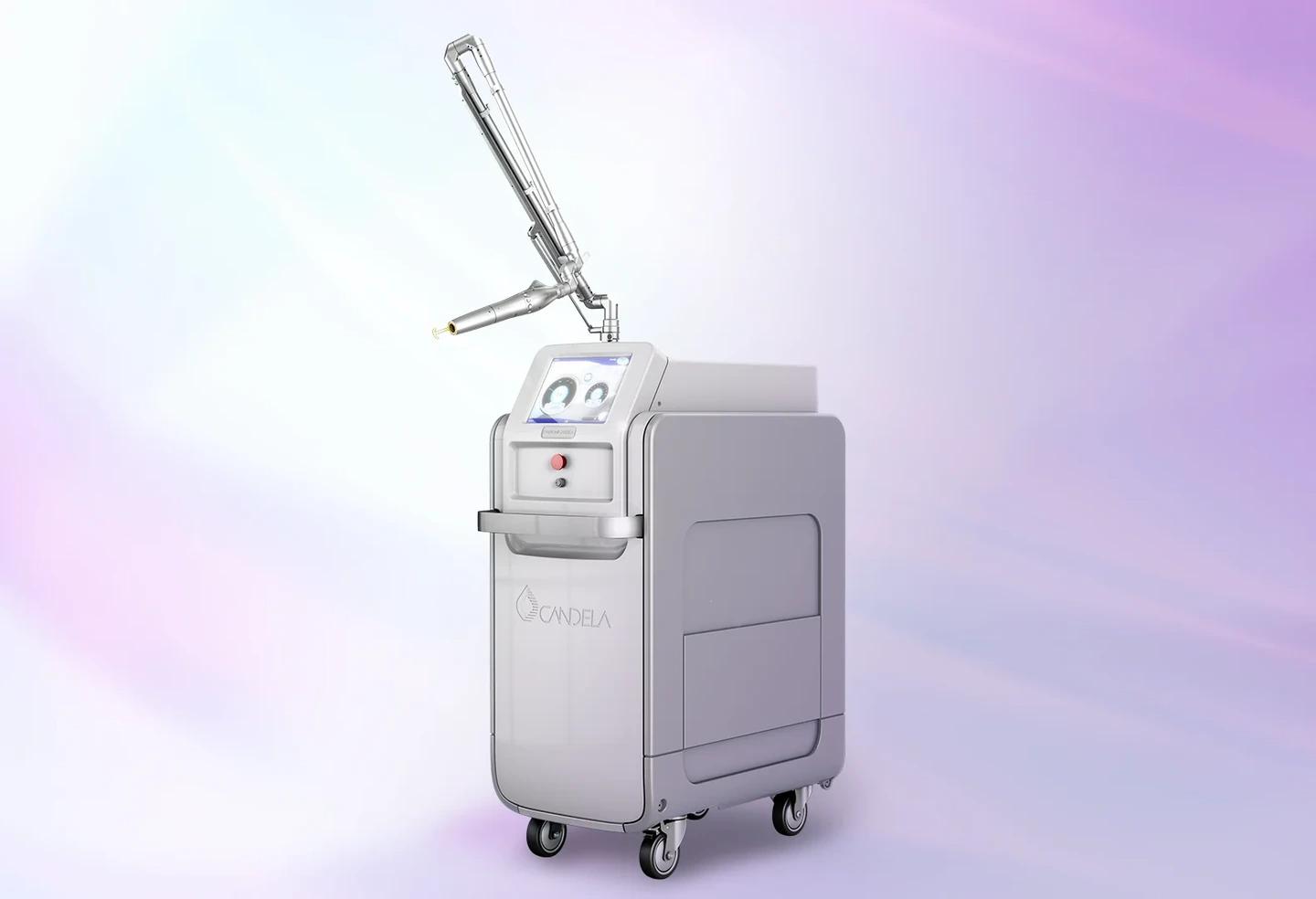
Pico Laser
EMFACE and Pico Laser address different concerns; the doctor decides whether combining them and the treatment order are appropriate.
Questions about this treatment
How long does EMFACE usually take?
Usually 30–90 minutes, depending on the areas, device and line or pulse plan.
How many EMFACE sessions might I need?
Often planned as one treatment with a later review; maintenance timing varies by device, skin and goal.
When might I notice a change after EMFACE?
Some people notice an earlier tightening effect, while collagen-related change develops gradually over several weeks to months.