

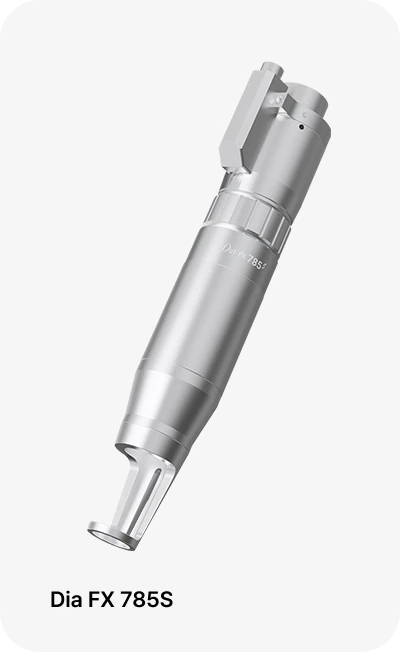
What it is
The clinician selects a wavelength and pulse protocol for the diagnosed pigment target.
Who it may suit
People with a clinician-confirmed pigment, redness, texture, pore or scar concern suited to the selected wavelength or device.
Who needs extra review
Recent tanning, active infection, photosensitising medication, uncontrolled skin disease or a high pigment-change risk require medical review.
Planning and results
- Common areas
- Face or body areas selected after an in-person medical assessment
- Sessions
- Often planned as a series because pigment, redness, scars and pores respond differently. Diagnosis comes before session count.
- When results may appear
- Redness or darkening can appear first. Improvement may develop over weeks and often requires more than one visit.
- Downtime
- Downtime varies with the treatment area and settings; temporary redness, swelling, tenderness or bruising may occur.
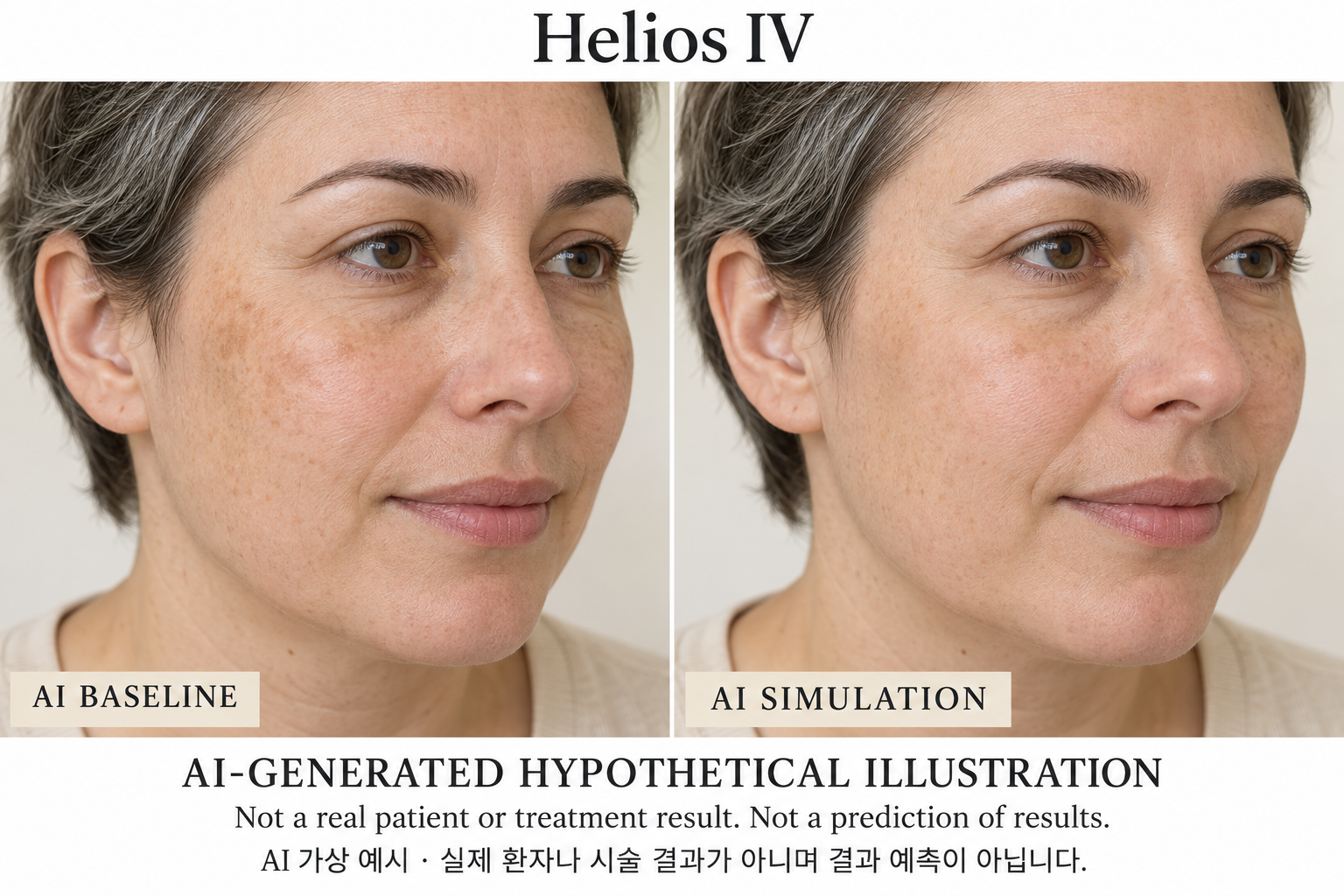
AI hypothetical comparison
This fictional AI comparison illustrates an area or concern discussed on this page. The difference is simulated. It does not show an actual treatment result or predict your results. Suitability, possible outcomes and risks require an individual clinical assessment.
Potential advantages
- Can be adjusted to the treatment area and concern
- Does not require a surgical incision
- May be included in a staged treatment plan
Limitations & risks
- Results vary by anatomy, diagnosis and treatment settings
- Availability, tips and protocols can change by clinic
- A doctor must review contraindications and possible adverse effects
Before your visit
Ask for the diagnosis, exact device, wavelength or tip, settings approach, expected downtime and sun-avoidance plan.
After treatment
Use strict sun protection and follow wound-care advice. Report blistering, increasing pain, infection signs or unexpected pigment change.
Questions to ask
- Is Helios IV appropriate for my main concern?
- Which device, product, tip and settings will be used?
- What recovery and warning signs should I expect?
Helios IV — Price and conditions
Frequently asked questions
How long does Helios IV usually take?
Usually 20–90 minutes including preparation and cooling; larger or more intensive areas take longer.
How many Helios IV sessions might I need?
Often planned as a series because pigment, redness, scars and pores respond differently. Diagnosis comes before session count.
When might I notice a change after Helios IV?
Redness or darkening can appear first. Improvement may develop over weeks and often requires more than one visit.