

GREY · TREATMENT GUIDE
Under-eye Filler
A conservative filler option for carefully selected tear-trough concerns; not every under-eye shadow is caused by volume loss.

What it is
The clinician assesses skin thinness, fat pads, edema and cheek support before deciding whether filler is appropriate.
Who it may suit
Only carefully selected tear-trough hollowing—not every dark circle, eye bag or under-eye shadow is a filler concern.
Active infection, pregnancy or breastfeeding, unsuitable anatomy, significant swelling tendency or unrealistic goals require medical review.
Planning and results
Selected tear-trough or upper-cheek transition areas
Often performed in one visit with a review after swelling settles; a staged plan may be safer for some goals.
A contour change can be visible immediately, but swelling can obscure the final result for days or longer.
Swelling and bruising can last longer than expected; persistent puffiness, discoloration or lumps may occur.
Potential advantages
Can help selected volume-related hollows
Small-volume correction is possible
HA products can generally be dissolved if clinically required
Limitations & risks
Not appropriate for all dark circles or eye bags
Persistent edema and a blue-gray Tyndall effect are possible
The eye region carries serious vascular risk
Before your visit
Confirm the sealed product, amount, injection plane, injector and the clinic's vascular-occlusion emergency protocol.
Unusual pain, pale or mottled skin, visual symptoms or neurological symptoms are emergencies—contact the clinic and emergency services immediately.
Questions to ask
Is my concern hollowing, pigment, veins or eye bags?
Why is filler safer than another option for me?
What emergency protocol is available?
Related treatments
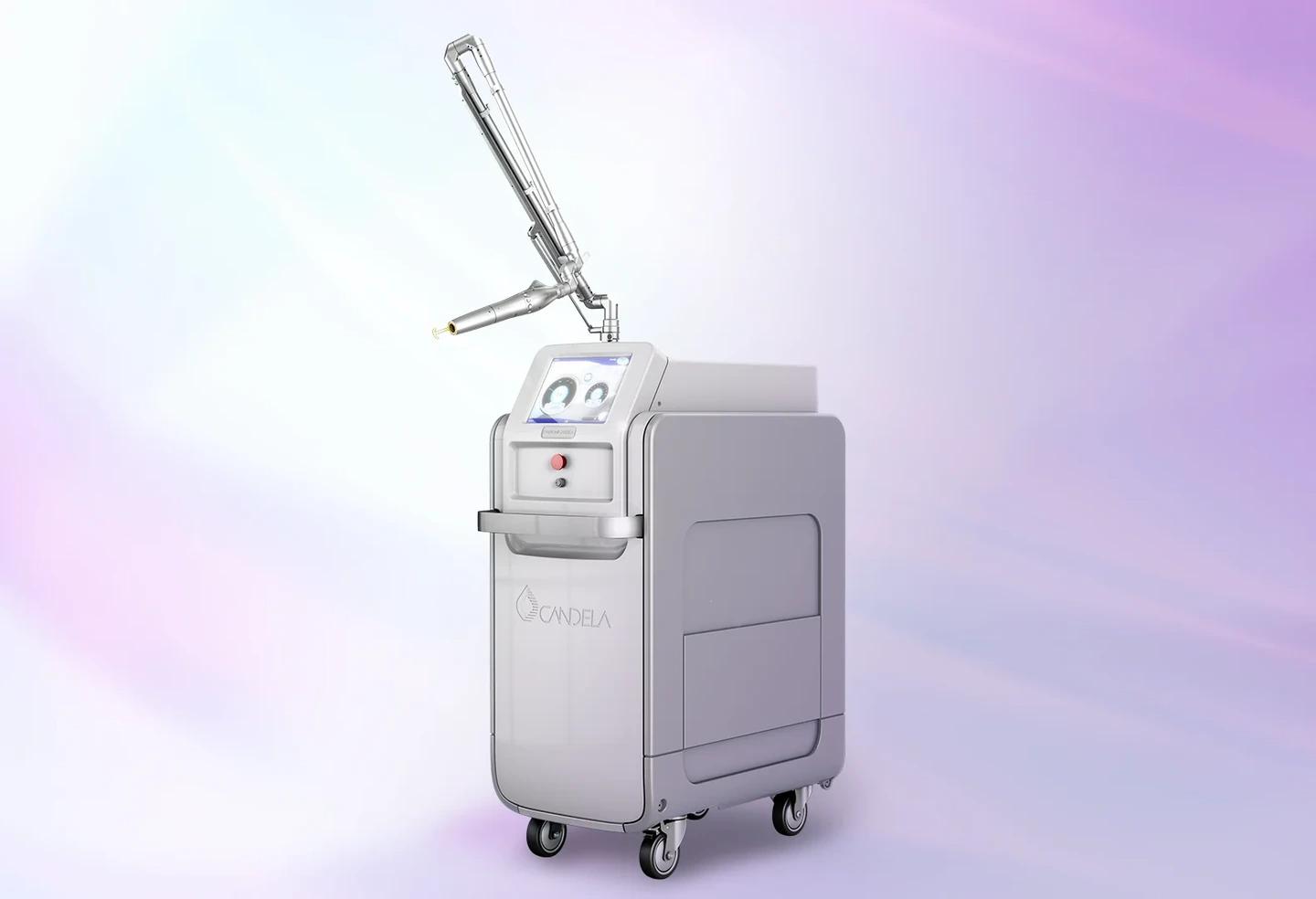
Pico Laser
Under-eye Filler and Pico Laser address different concerns; the doctor decides whether combining them and the treatment order are appropriate.

Hyaluronic Acid Filler
Temporary gel filler. Compare its mechanism, recovery and treatment goal with Under-eye Filler.
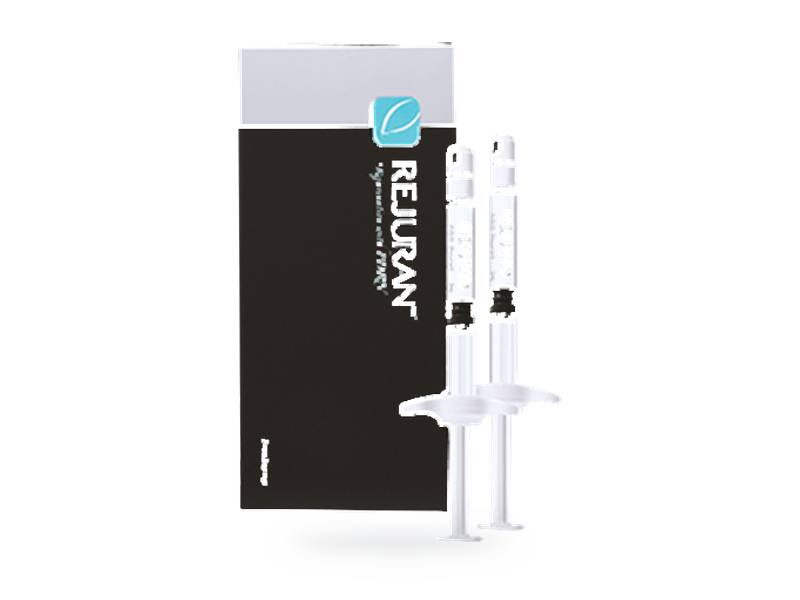
Rejuran
PN injectable. Compare its mechanism, recovery and treatment goal with Under-eye Filler.
Questions about this treatment
How long does Under-eye Filler usually take?
Usually 20–60 minutes depending on the area, anatomy and number of syringes.
How many Under-eye Filler sessions might I need?
Often performed in one visit with a review after swelling settles; a staged plan may be safer for some goals.
When might I notice a change after Under-eye Filler?
A contour change can be visible immediately, but swelling can obscure the final result for days or longer.
Educational information, not a diagnosis. Suitability, combinations, recovery and results require individual clinical assessment.